
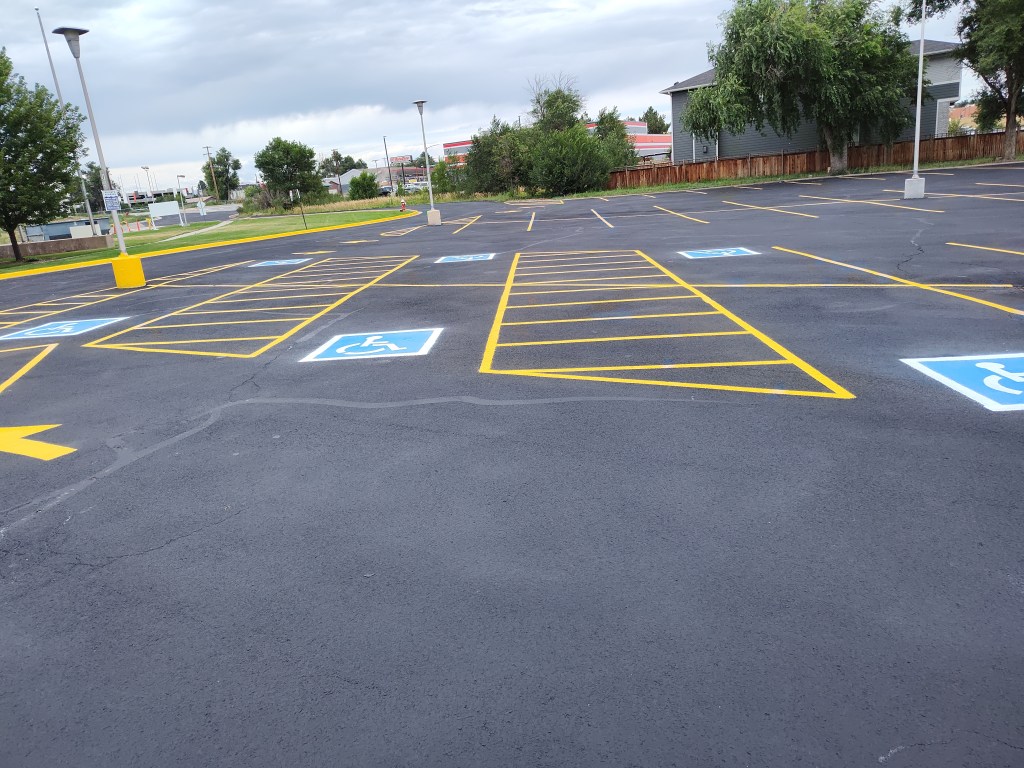
Asphalt seal coating is a protective maintenance process applied to asphalt surfaces, such as driveways, parking lots, and roads, to extend their lifespan and enhance their appearance. By applying a thin, liquid-based coating, typically composed of asphalt emulsion, water, mineral fillers, and sometimes additives like polymers, seal coating acts as a barrier against environmental damage. This essay explores the seal coating process, its benefits, and the pros and cons to provide a comprehensive understanding of its value and limitations.
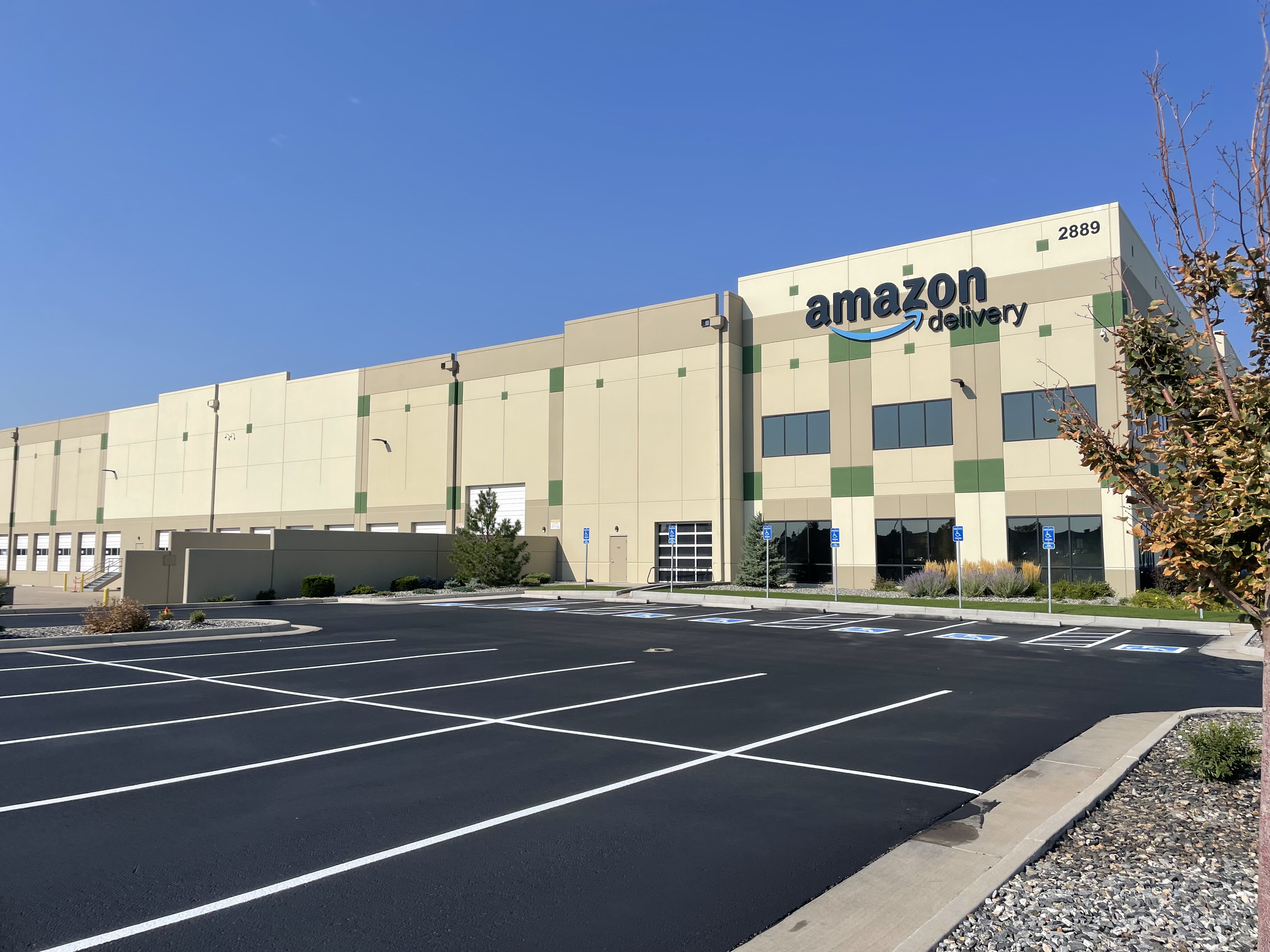
The Seal Coating Process
The seal coating process begins with thorough surface preparation, which is critical for effective adhesion and longevity. The asphalt surface must be cleaned of dirt, debris, oil stains, and vegetation. This often involves sweeping, power washing, or using chemical cleaners for stubborn stains. Cracks and potholes are repaired using crack fillers or patching compounds to ensure a smooth, stable base. If the surface has significant damage, more extensive repairs may be needed before sealing.
Once the surface is prepared, the seal coat material is mixed to the manufacturer’s specifications. The mixture is typically an asphalt emulsion or coal tar-based sealant, sometimes enhanced with additives like sand for traction or polymers for durability. Application methods include spraying with specialized equipment for large areas or using squeegees and brushes for smaller surfaces or edges. The sealant is applied in thin, even layers—usually two coats for optimal coverage—ensuring it fills minor surface imperfections without pooling.
After application, the sealant requires curing, which can take 24 to 48 hours, depending on weather conditions like temperature and humidity. During this time, the surface must remain free of traffic to allow the sealant to bond properly. Ideal conditions for seal coating are dry weather with temperatures above 50°F to ensure proper curing and adhesion.
Benefits of Seal Coating
Seal coating provides multiple benefits that make it a popular choice for asphalt maintenance. First, it protects against environmental damage. Ultraviolet (UV) rays from the sun can oxidize asphalt, causing it to become brittle and prone to cracking. Seal coating creates a UV-resistant barrier, slowing this process. It also shields the asphalt from water penetration, which can weaken the base and lead to cracks and potholes, especially in freeze-thaw cycles. Additionally, seal coating resists damage from oil, gasoline, and other chemicals, which is particularly valuable for parking lots and driveways.
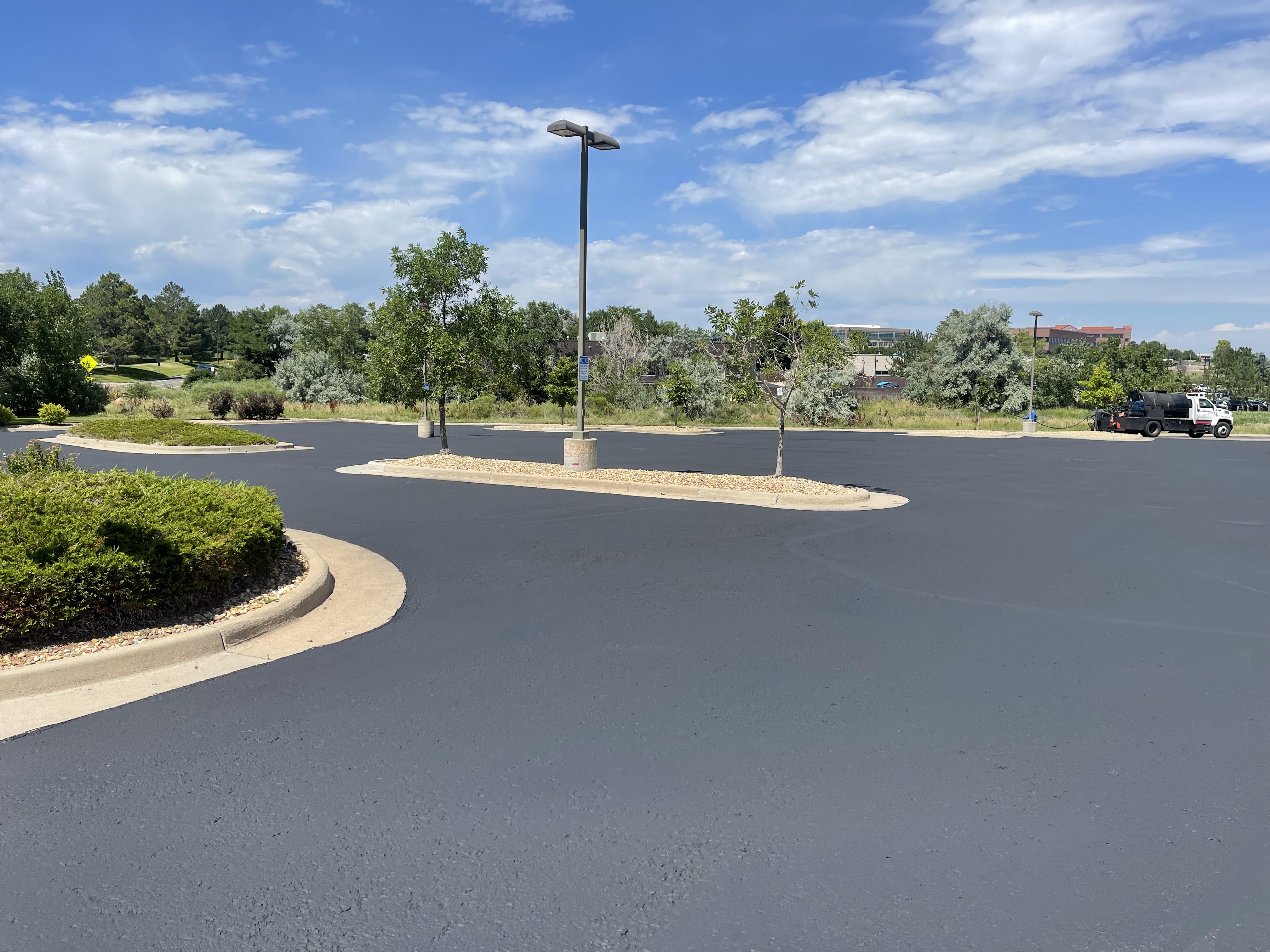
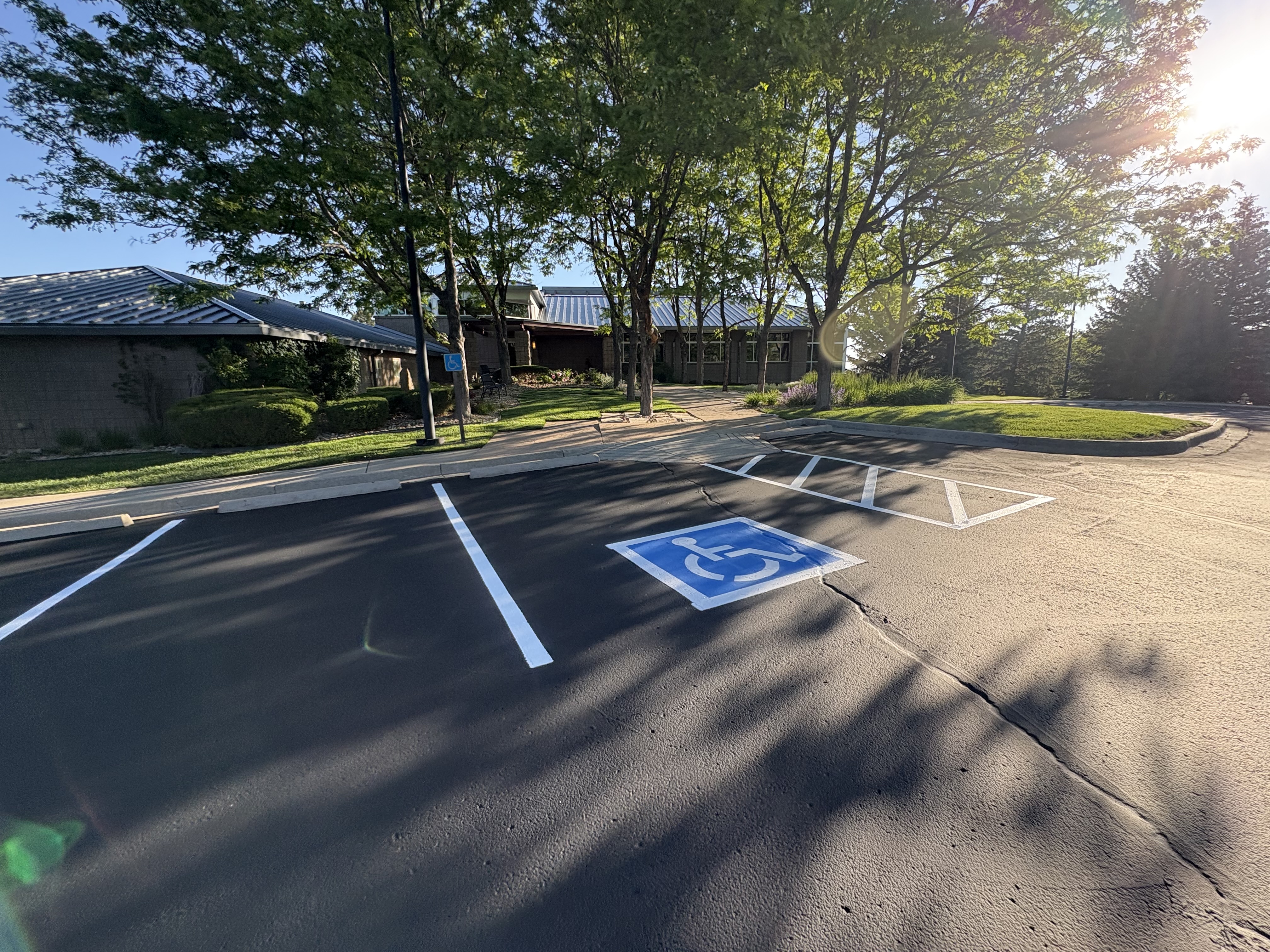
Second, seal coating enhances the aesthetic appeal of asphalt surfaces. The fresh, dark coating gives the surface a smooth, jet-black finish, improving curb appeal for residential and commercial properties. This visual upgrade can increase property value and create a professional appearance for businesses.
Third, seal coating extends the lifespan of asphalt. By protecting against wear and tear, it delays the need for costly repairs or replacement. Regular seal coating, typically every two to three years, can double the life of an asphalt surface, making it a cost-effective maintenance strategy.
Pros of Seal Coating
1. Cost-Effective Maintenance: Seal coating is significantly less expensive than repaving or major repairs, making it an economical way to maintain asphalt.
2. Improved Durability: The protective layer reduces damage from weather, chemicals, and traffic, extending the surface’s lifespan.
3. Enhanced Appearance: A freshly sealed surface looks clean and professional, boosting property aesthetics.
4. Easy Application: The process is relatively quick, often completed in a day for smaller areas, minimizing disruption.
5. Preventive Maintenance: Seal coating addresses minor issues before they escalate into major repairs, saving money in the long run.
Cons of Seal Coating
1. Temporary Disruption: The curing process requires the surface to be closed to traffic for 24-48 hours, which can inconvenience users.
2. Regular Maintenance Required: Seal coating is not a one-time solution; it must be reapplied every few years to maintain protection.
3. Weather Dependency: Application and curing require specific weather conditions, which can limit scheduling flexibility, especially in regions with unpredictable climates.
4. Limited Repair Capability: Seal coating is not a fix for severely damaged asphalt. Significant cracks or structural issues require more extensive repairs before sealing.
5. Environmental Concerns: Some sealants, particularly coal tar-based ones, contain chemicals that may be harmful to the environment or pose health risks if not handled properly.

Why Seal Coating Is Beneficial
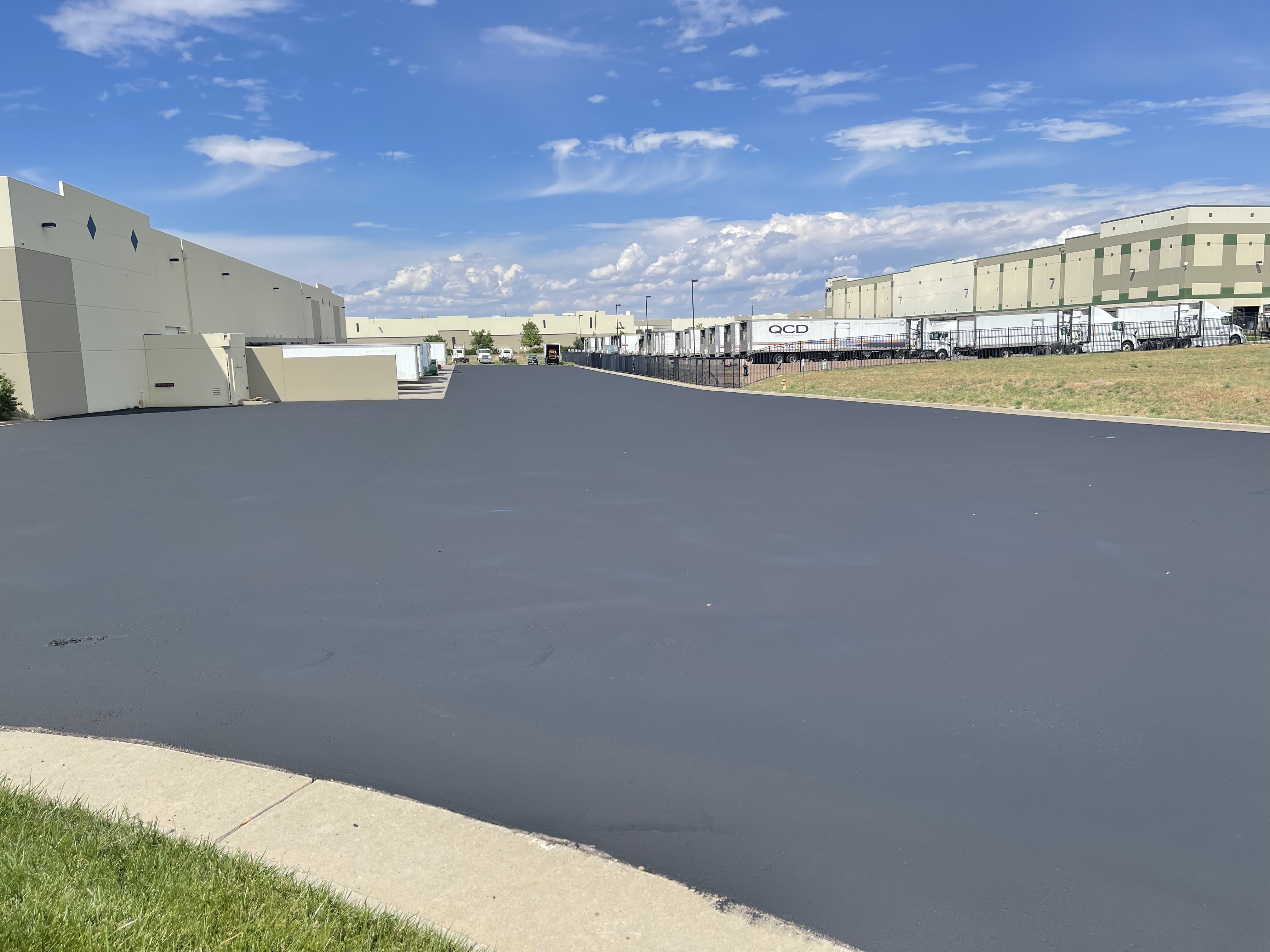
Seal coating is a proactive maintenance strategy that preserves asphalt integrity and reduces long-term costs. By protecting against UV rays, water, and chemicals, it prevents deterioration that leads to expensive repairs. For property owners, the enhanced appearance can improve property value and customer perceptions, particularly for businesses. Regular seal coating, combined with proper upkeep like crack filling, can extend an asphalt surface’s life by 10-15 years, making it a wise investment.
In conclusion, asphalt seal coating is a valuable maintenance practice that offers significant benefits, including protection, aesthetic enhancement, and cost savings. While it has drawbacks, such as the need for periodic reapplication and weather constraints, the advantages outweigh the limitations for most asphalt surfaces. By understanding the process and weighing the pros and cons, property owners can make informed decisions to keep their asphalt surfaces in top condition for years to come.
MHS Product Practices
Here at MHS, we exlcusively use Polymer Modified Masterseal Ultra (PMM) produced by Sealmaster. This is a premium material mixture with added aggregate providing strength, UV resistance and more – with a deep and rich black colored finish.

 MHS Asphalt & Concrete Solutions
Leave a comment