
We’re excited to unveil our newly refreshed and updated website — check it out below and let us know what you think!
Big shoutout to our awesome GM, Colin Wichers, in bringing this new look to life.
Potholes seem to be on everyone’s mind lately, so we thought we’d break the ice with a couple of cheesy jokes to kick off our blog topic. Ready? Here goes:
Q: What do you call a street full of potholes and ice cream?
A: Rocky Road!
Okay, okay — that was a rough one. Here’s another:
Q: What did the pothole say to the driver?
A: You’re in for a bumpy ride!
Terrible? Maybe. But hey, we couldn’t resist! Now, let’s get into the real scoop on potholes…
Potholes are top of mind for just about everyone lately — from frustrated customers to delivery drivers — across the Front Range.
Even local news is covering the issue. Here’s a recent segment that dives into the science behind pothole formation and how they’re fixed:
🔗 Watch the story on 9NEWS
At MHS Asphalt & Concrete Solutions, we recommend infrared asphalt patching as a simple and effective way to tackle potholes and keep your parking lots smooth — and complaint-free.
Infrared patching is a fast, eco-friendly solution for repairing damaged asphalt. The process uses infrared heat to soften existing pavement (usually to 275–300°F), allowing it to be reshaped, reworked with fresh material if needed, and compacted into a seamless, long-lasting patch.
Benefits:
✅ Quick repairs — often completed in under an hour
✅ Strong, permanent bond with existing pavement
✅ Ideal for potholes, cracks, and utility cuts
It’s a smart, cost-effective way to extend the life of your asphalt surfaces — whether it’s a road, driveway, or parking lot.
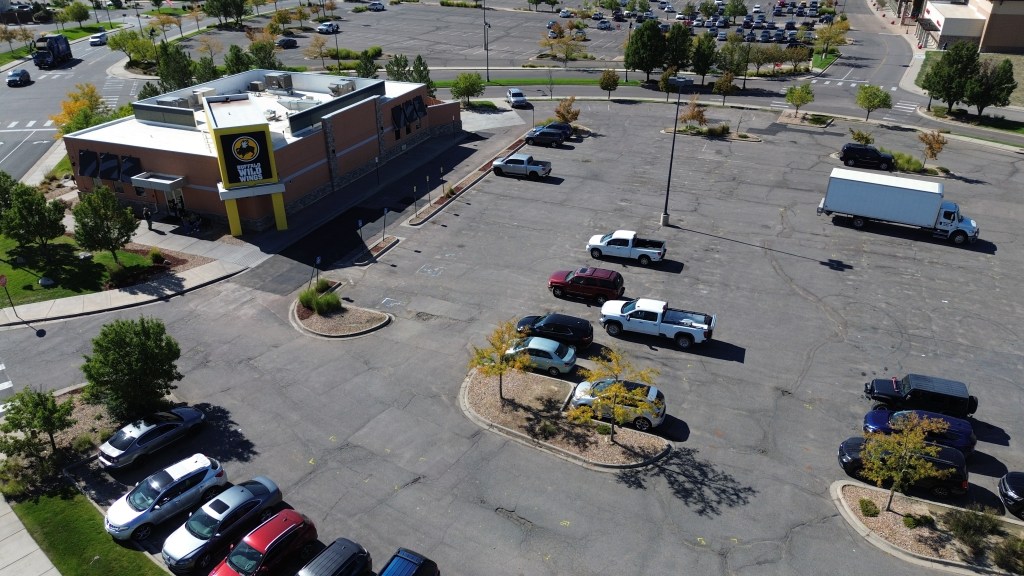
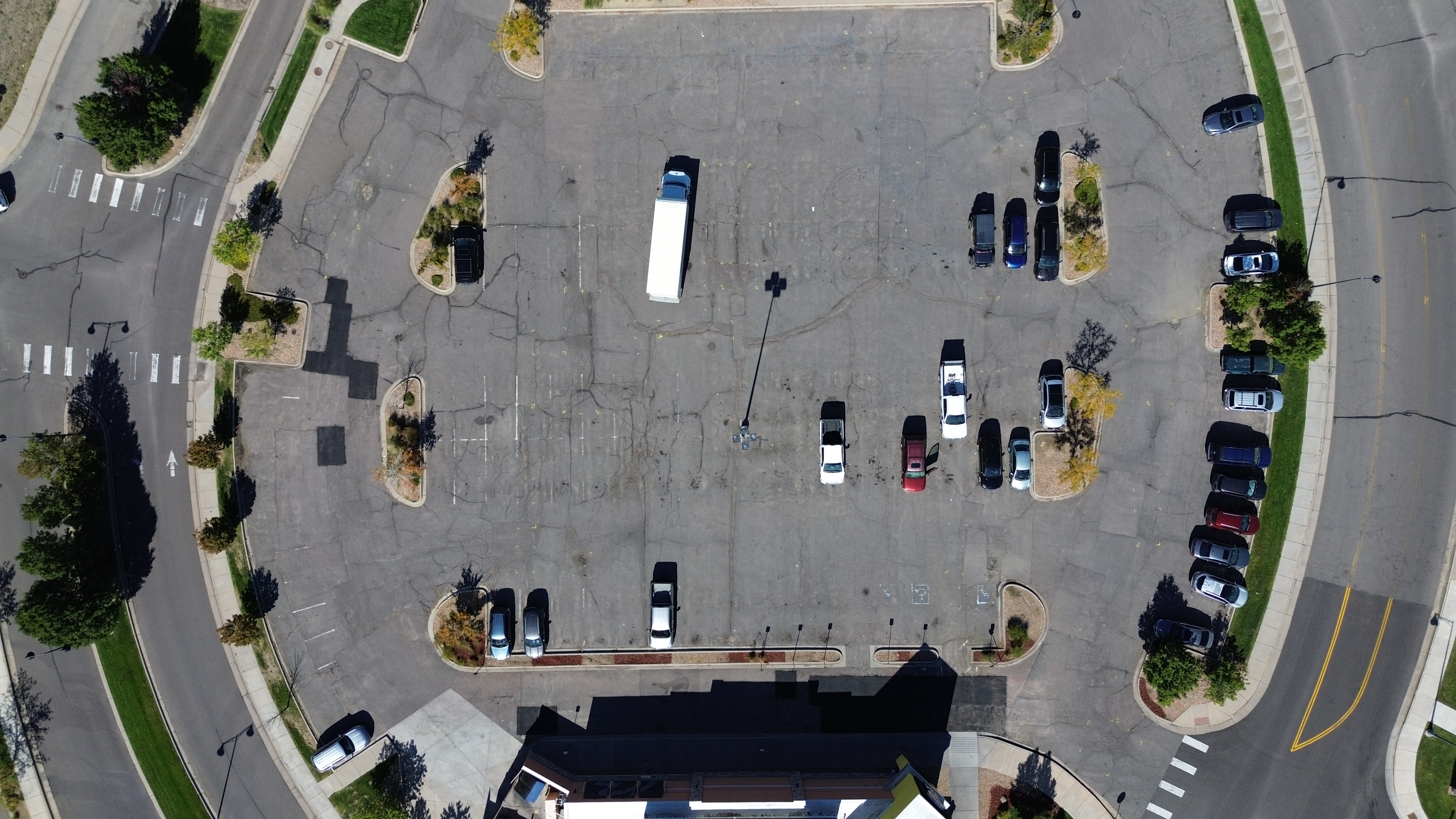
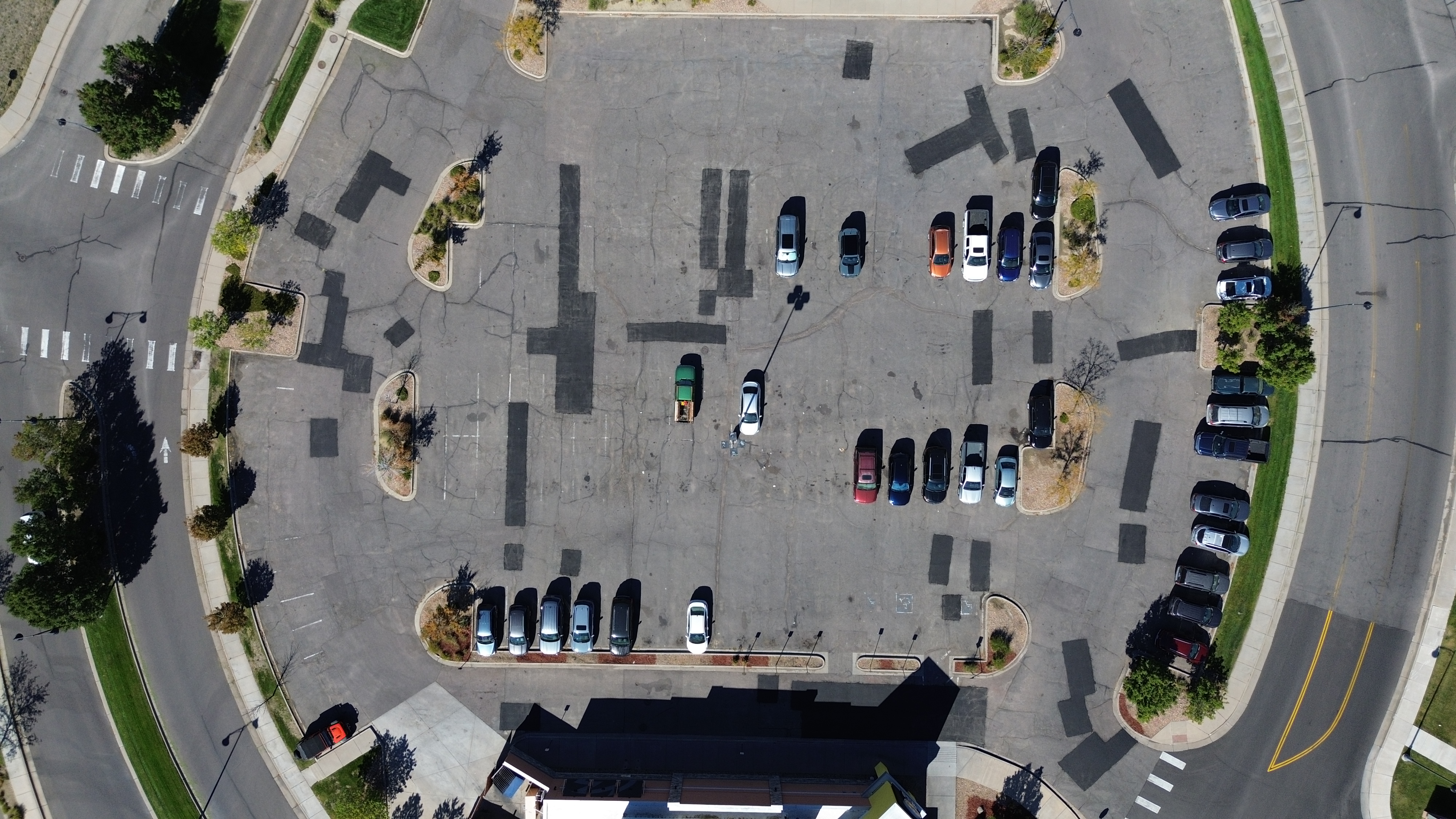
Here are some recent photos of projects we have worked on using infrared patched to fix potholes:
Wishing you a great rest of April! Feel free to reach out if there’s anything we can help with.

 MHS Asphalt & Concrete Solutions
Leave a comment